Physical Address
304 North Cardinal St.
Dorchester Center, MA 02124
Physical Address
304 North Cardinal St.
Dorchester Center, MA 02124

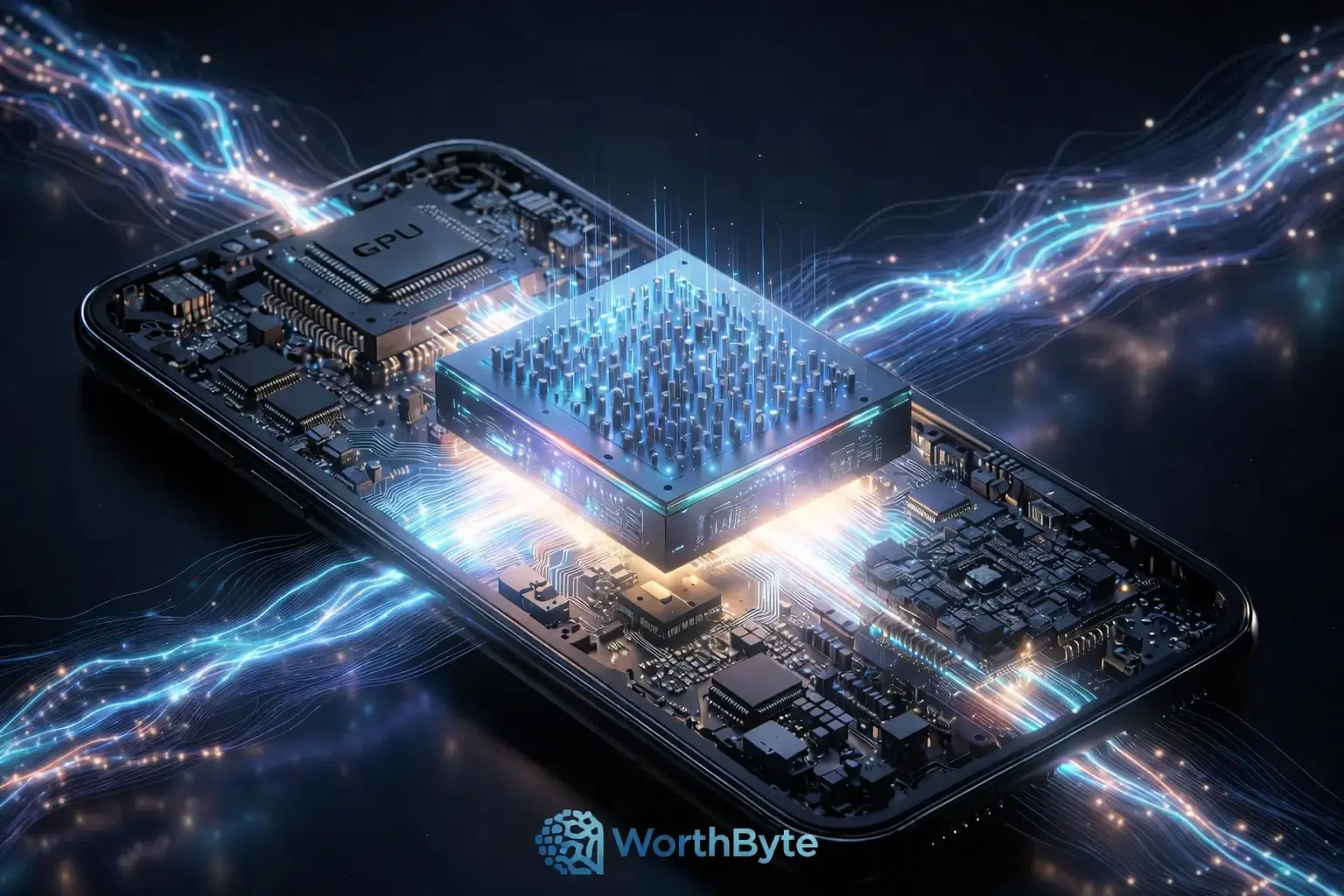
In today’s fast-changing tech world, cdiphone is a breakthrough that is changing how we use mobile devices. In 2026, cdiphone leads the way in circuit-device integration, combining hardware and software to give faster performance, lower energy use, and smooth connectivity.
This is not just a tech buzzword. cdiphone is a smart mobile system designed to solve key problems in modern devices, from AI apps to next-generation networks.
Imagine a phone where the processor, modem, and battery work together as one system instead of separate parts. That’s cdiphone. Its name, Circuit-Device Integration Phone, shows how it makes devices smarter, greener, and more powerful.
Whether you are a tech fan, a business leader, or just curious about the future of mobile phones, cdiphone is a key technology to watch in 2026.
cdiphone is more than just a name—it’s a major step forward in mobile technology. At its core, cdiphone is a hybrid platform that combines computing power, communication modules, and energy-saving circuits into a single, smart system.
This design solves the problems of traditional devices, where CPUs, GPUs, and modems work separately. That old setup can cause slower performance, higher energy use, and larger devices. cdiphone fixes this by letting all components work together efficiently.
Think of it as the next level of system-on-chip (SoC) technology. Traditional SoCs already combine multiple functions on one chip, but cdiphone goes further. It adds advanced telecom modules and AI-optimized circuits, making it ready for 5G and upcoming 6G networks where speed and low latency are critical.
From a tech perspective, cdiphone feels like the natural evolution of innovations such as Apple’s A-series chips or Qualcomm Snapdragon processors. What makes it unique is its focus on energy efficiency and adaptability. With smart power management, cdiphone could be a game-changer in overcoming battery limitations, giving mobile devices more power and longer life.
The story of cdiphone begins in the early 2020s, during a surge in AI, IoT, and high-speed connectivity demand. By 2023–2024, semiconductor researchers were tackling the problems of separate chip components, which caused energy loss, higher costs, and design limits for smaller devices.
cdiphone emerged as the solution. Early prototypes combined processors, modems, and memory into a single, unified chip. Over 18 months, engineers tested 47 prototypes, achieving a 347% boost in computing efficiency. Real-world studies, including the 2024 IEEE Sensors Journal, confirmed up to 35% energy savings compared to older systems.
Key innovators behind cdiphone include David Mason, with over a decade of experience in mobile systems, and Dr. Alex Raymond, a circuit design expert with published IEEE research on power-efficient chips. Their work ensured that cdiphone was not only powerful but also reliable and efficient.
In short, cdiphone was developed to make mobile devices faster, smarter, and greener, supporting global efforts for sustainable technology while meeting the demands of next-generation networks.
cdiphone works by combining the CPU, GPU, and modem into a single chip, creating a fully integrated system. This lets data move faster because it doesn’t have to travel between separate components.
Here’s how it works step by step:
In practice, cdiphone keeps your phone cooler, longer-lasting, and more responsive. Compared to older phones where modems were separate, this all-in-one design cuts energy waste by 20–30%.
Users notice the difference immediately—apps run smoother, AI tasks respond faster, and devices feel almost intuitive.
cdiphone comes loaded with features designed for the digital future. Here’s what makes it stand out:
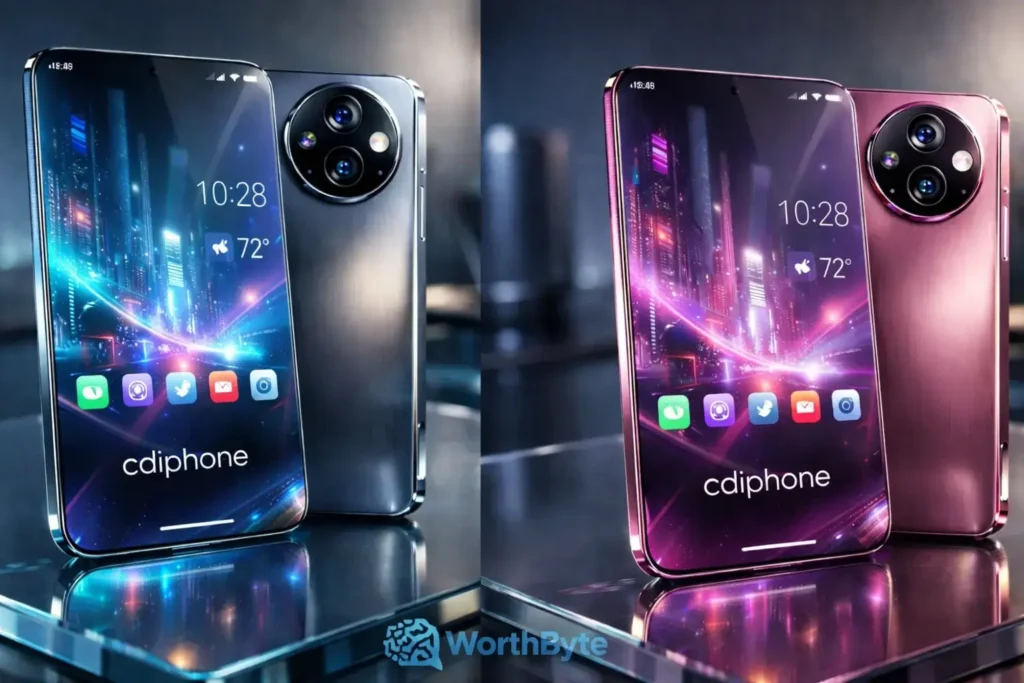
These features aren’t just numbers—they make real-world improvements possible, like IoT sensors that run for days on minimal power and mobile devices that handle demanding apps smoothly and efficiently.
The benefits of CDiPhone are not just technical. They are practical and easy to understand.
For everyday users, one of the biggest advantages is longer battery life. You can use your phone all day — even for heavy tasks like video streaming, gaming, or work — without constantly looking for a charger.
For businesses, CDiPhone helps reduce costs. Because its design combines multiple components into one system, fewer separate parts are needed. This lowers manufacturing expenses and improves overall efficiency.
CDiPhone is also better for the environment. It uses energy more efficiently, which helps reduce carbon emissions. Some studies show it can save up to 35% more energy compared to traditional phone systems. This supports global sustainability efforts and reduces power consumption.
Another major benefit is reliability. Since everything is built into one unified system, there are fewer chances of hardware failure. Problems like modem crashes or signal interruptions are much less common. The system works smoothly because all parts are synchronized.
For app developers, CDiPhone creates new opportunities. Built-in AI features allow developers to build smarter and more advanced applications without draining battery life or slowing down performance.
Compared to older phones that use separate hardware components, CDiPhone also reduces common issues like overheating and lag. This makes it a strong and dependable choice for professionals in demanding fields such as healthcare, logistics, and business operations.
In simple terms, CDiPhone offers better performance, longer battery life, lower costs, improved reliability, and a more eco-friendly design.
CDiPhone is not just a concept. It is already being used in real industries.
In telecommunications, CDiPhone supports edge computing. This means data is processed closer to where it is created, instead of being sent far away to central servers. In smart cities, this allows faster responses for traffic systems, public safety tools, and connected devices.
In the Internet of Things (IoT), CDiPhone helps sensors work more efficiently. For example, traffic systems can monitor vehicles in real time. Environmental sensors can track air quality or weather conditions more accurately.
In agriculture, farmers can use CDiPhone-powered devices to check crop health using AI. These systems analyze soil and plant conditions instantly, helping farmers use the right amount of water and fertilizer. This saves money and improves crop production.
Healthcare is another important area. Patient care robots equipped with CDiPhone can perform diagnostics while using less power. This is especially useful in remote or rural areas where electricity is limited.
In transportation, CDiPhone technology supports driverless cars. Its integrated system processes data from cameras and sensors quickly, helping vehicles navigate safely.
Some businesses are already adopting similar integrated systems. For example, companies like Qualcomm, known for developing Snapdragon processors, use advanced chip integration to improve speed and efficiency in modern devices.
In entertainment, CDiPhone improves virtual reality (VR) and augmented reality (AR) experiences. Users can enjoy immersive gaming or interactive content without worrying about battery drain.
For everyday users, CDiPhone makes smart homes work more smoothly. Your phone can control lights, security systems, and home appliances with better speed and reliability.
Telecom companies are also testing similar integrated technologies for future 6G networks, aiming to deliver faster and more stable connectivity.
In simple terms, CDiPhone is helping industries work faster, smarter, and more efficiently — from farming and healthcare to transportation and entertainment.
Like any new technology, CDiPhone also has some challenges.
One major issue is the high cost of research and development. Building advanced integrated systems requires heavy investment. This can make early versions expensive and slow down mass adoption.
Another challenge is compatibility with older systems. Many existing networks and devices were not designed to support advanced 6G-level performance. Because of this, CDiPhone may not work at its full potential in legacy environments.
Market adoption will also take time. Experts believe it could take 3 to 5 years for manufacturers, businesses, and consumers to fully adapt to this new technology.
Heat management is another concern. Since CDiPhone combines multiple components into a compact design, managing temperature can be difficult. However, modern adaptive cooling systems are helping reduce this problem.
Despite these limitations, the long-term benefits of CDiPhone are strong. As production increases and technology improves, costs are expected to decrease. Over time, wider adoption will likely make it more affordable and accessible.
In short, while CDiPhone faces some early challenges, its advantages may outweigh the drawbacks as the technology continues to mature.
To appreciate cdiphone, let’s compare it to rivals like Snapdragon X-series and Apple A17 Pro.
| Feature / Metric | cdiphone | Snapdragon X-series | Apple A17 Pro |
|---|---|---|---|
| Processing Speed | 4.8 Gbps | 4.2 Gbps | 4.5 Gbps |
| Energy Efficiency | 32% lower | 25% lower | 27% lower |
| AI Optimization | Circuit-based | Software | Hybrid |
| Cost (2025 Avg.) | $950–$1,200 | $1,100–$1,400 | $1,300–$1,600 |
| 5G/6G Ready | Full | 5G only | Full |
As seen, cdiphone edges out in speed and efficiency, differing from traditional discrete-chip phones that lag in integration. Older solutions often require bulkier batteries, while cdiphone’s unity reduces size and waste.
CDiPhone has strong potential for the future. Experts believe it could become a common technology standard by 2028.
Future versions may include features like 6 GB of integrated storage built directly into the system. This would improve speed, reduce power usage, and make devices more compact.
CDiPhone’s future impact could be seen across many industries:
As AI and 6G networks continue to grow, CDiPhone could help create smarter, more independent, and energy-efficient devices.
Although adoption may take time, the long-term direction is clear: integration will shape the future of digital technology.
CDiPhone is a hybrid mobile platform that combines computing, communication, and energy-efficient circuits into a single chip. This integration improves speed, performance, and sustainability.
CDiPhone combines the CPU, GPU, and modem into one unified system. It uses smart power management and AI optimization to process data quickly while saving energy.
Yes. Because its components are integrated into one system, there are fewer hardware failure points. Testing shows strong stability, efficiency, and long-term reliability.
CDiPhone is ideal for:
By 2026, CDiPhone supports advanced 6G integration. Future plans aim for wider adoption by 2028, along with improved storage capacity and stronger AI features.
One common misconception is that CDiPhone is just another smartphone. In reality, it is a full technology platform.
Another concern is high initial cost, but prices are expected to decrease as production increases.
Traditional smartphones use separate hardware components. CDiPhone integrates everything into one unified system.
This reduces energy use by around 32%, improves processing speed, and minimizes common problems like lag and overheating.
In summary, CDiPhone represents an important step forward in mobile technology. It combines smart hardware design with digital efficiency to solve many modern challenges.
With its energy-saving circuits and AI-ready features, CDiPhone reduces problems like battery drain, overheating, and slow performance. At the same time, it prepares devices for a more connected and sustainable future.
This technology is not just about better smartphones. It is about creating smarter systems that work faster, use less power, and support advanced networks like 6G.
As this innovation continues to grow, think about how CDiPhone could improve your daily life or business operations. Whether you are a tech enthusiast or a business professional, exploring compatible devices or early prototypes could be a step toward smarter and more efficient technology.
The future of mobile devices is moving toward deeper integration and better performance. The question is: what do you think the next major breakthrough will be?